Understanding the psychological triggers behind gambling behavior
Escrito por fernandes em 27 de Maio, 2026
Understanding the psychological triggers behind gambling behavior
The Nature of Gambling Addiction
Gambling addiction is often driven by an intricate web of psychological triggers that can lead to compulsive behavior. Individuals may find themselves drawn to the thrill of risk, where the anticipation of winning creates a rush of dopamine, the brain’s feel-good neurotransmitter. This exhilarating response can foster a cycle of repeated play, as the brain starts to crave that high similar to substance addiction. The allure of quick monetary rewards can cloud judgment, creating a powerful pull that is hard to resist. In this context, engaging with games like Le Fisherman can create both excitement and risk, especially for beginners.
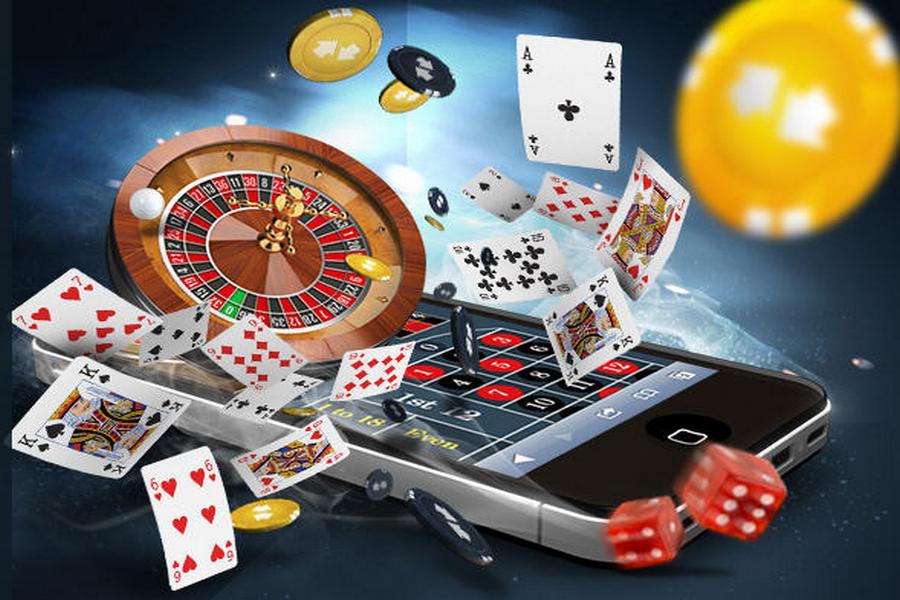
Moreover, the nature of gambling often exploits cognitive biases. Gamblers might overestimate their chances of winning, a phenomenon known as the “illusion of control.” This cognitive distortion leads them to believe they have the ability to influence random outcomes, which can reinforce continued gambling behavior. Such misconceptions not only perpetuate gambling habits but can also lead to financial and emotional distress, making recovery increasingly challenging.
Understanding these underlying psychological mechanisms is essential for those looking to help themselves or others overcome gambling addiction. By recognizing the triggers, individuals can develop strategies to combat the compulsive urge, enabling healthier decision-making processes. Educational resources that delve into the psychological aspects of gambling can empower individuals with knowledge, fostering a better understanding of their behavior and helping them navigate their journey toward recovery.
The Role of Emotions in Gambling
Emotions play a crucial role in gambling behavior, often acting as catalysts for both engagement and addiction. Many individuals gamble to escape negative feelings, such as stress, anxiety, or depression. The temporary relief that gambling provides can create a dangerous cycle, as people may return to gambling whenever they are feeling down or overwhelmed. This emotional reliance can quickly spiral into addiction, making it essential to address these underlying feelings in any recovery process.
Conversely, positive emotions can also reinforce gambling behavior. Celebrating small wins can lead to a sense of euphoria that encourages more frequent gambling. The brain’s reward system is highly responsive to these emotional highs, establishing a feedback loop that can intensify one’s gambling habits. In essence, emotions serve both as triggers and reinforcers of gambling behavior, making the emotional landscape a vital area of focus for those seeking to understand or mitigate gambling issues.
To address the emotional triggers effectively, it is crucial for individuals to explore healthier coping mechanisms. Engaging in activities such as exercise, meditation, or talking to a professional can provide healthier alternatives for dealing with emotional stress. Creating an emotional toolkit equips individuals with strategies that foster emotional regulation, reducing the likelihood of turning to gambling as an escape from difficult feelings.
Social Influences and Gambling Behavior
Social influences significantly impact gambling behavior, as peer dynamics and societal norms can either encourage or discourage participation in gambling activities. People often engage in gambling as a social activity, enjoying the camaraderie and excitement that accompanies it. This social aspect can be particularly enticing for individuals who seek belonging and acceptance within a group. As friends and family partake in gambling, it can create a sense of inevitability, making it harder for individuals to resist the allure.
Furthermore, advertisements and media portrayals of gambling can shape perceptions and normalize the activity. High-energy advertisements, showcasing glamorous winners and thrilling experiences, can create an idealized image of gambling that entices newcomers. This can lead to misconceptions about the risks involved, further fueling a cycle of engagement. When society celebrates winners, it can overshadow the reality of losses and potential consequences, fostering an environment where gambling becomes an attractive option.
Understanding these social influences is essential for individuals looking to change their gambling behavior. By recognizing the pressure that peers and societal norms may impose, individuals can make more informed choices. Engaging in discussions about healthy boundaries and finding supportive communities can empower individuals to break free from negative social influences and foster healthier recreational activities.
Understanding Risk and Reward
The psychology of risk and reward is central to understanding gambling behavior. Many individuals are drawn to the thrill of the gamble, which is often tied to the possibility of significant financial gain. This notion of a reward—however unlikely—can overshadow the inherent risks associated with gambling. The excitement of potential winnings can distort rational thinking, leading individuals to overlook the odds against them and gamble more than they initially intended.
This dynamic is particularly pronounced in games of chance, where outcomes are unpredictable. The randomness of these games can lead individuals to chase losses, trying to recoup their previous investments. This behavior can create a cycle where the pursuit of a reward becomes more important than the financial or emotional cost of gambling, compounding the risk of addiction. As a result, individuals may find themselves trapped in a never-ending quest for that elusive win.
To combat this risk-reward imbalance, it’s crucial for individuals to establish personal limits and understand their financial boundaries. By setting clear guidelines for gambling behavior, individuals can mitigate the effects of impulsivity and better manage their engagement with gambling activities. Recognizing when the excitement turns into risk can empower individuals to make healthier choices and step back before they spiral into compulsive behavior.
Resources and Support for Gambling Awareness
For individuals grappling with gambling behavior, numerous resources and support systems are available to facilitate recovery. Organizations dedicated to gambling addiction provide educational materials, counseling services, and support groups for individuals seeking assistance. These resources emphasize the importance of understanding the psychological triggers behind gambling, offering strategies to cope with cravings and emotional turmoil.
Moreover, online platforms often provide forums where individuals can share their experiences and support each other through their journeys. Engaging with others facing similar challenges can reduce feelings of isolation and foster a sense of community. Understanding that one is not alone in their struggle can empower individuals to take actionable steps toward recovery.
Utilizing these resources is critical for anyone looking to overcome gambling addiction. By reaching out for help and participating in support groups, individuals can build healthier habits and redefine their relationship with gambling. Gaining insight into the psychological triggers behind their behavior is the first step toward lasting change and a more balanced life.